
eSIM for International Travel: The Complete Guide for Modern Travelers. International travel has changed dramatically over the past decade. From paper tickets to mobile boarding passes, from guidebooks to real-time navigation apps, technology now sits at the heart of the travel experience. One of the most impactful yet still misunderstood innovations is the eSIM. For international travelers, eSIM technology has quietly transformed how people stay connected abroad, eliminating many of the frustrations associated with roaming, physical SIM cards, and unreliable Wi-Fi.
This article explores what eSIM is, how it works, why it matters for international travel, its advantages and limitations, and how travelers can make the most of it. Whether you are a frequent flyer, digital nomad, business traveler, or occasional tourist, understanding eSIM can significantly improve your travel experience.
What Is an eSIM?
An eSIM (embedded SIM) is a digital SIM card built directly into your smartphone, tablet, laptop, or wearable device. Unlike traditional SIM cards, which require a physical chip that must be inserted and removed, an eSIM is software-based and can be activated remotely.
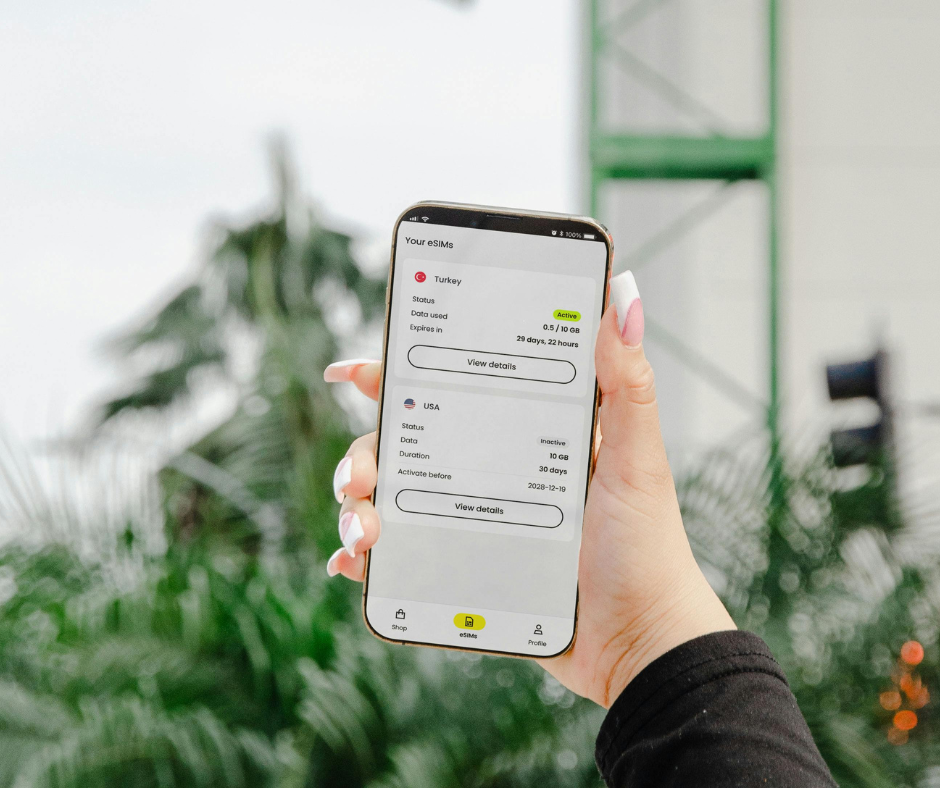
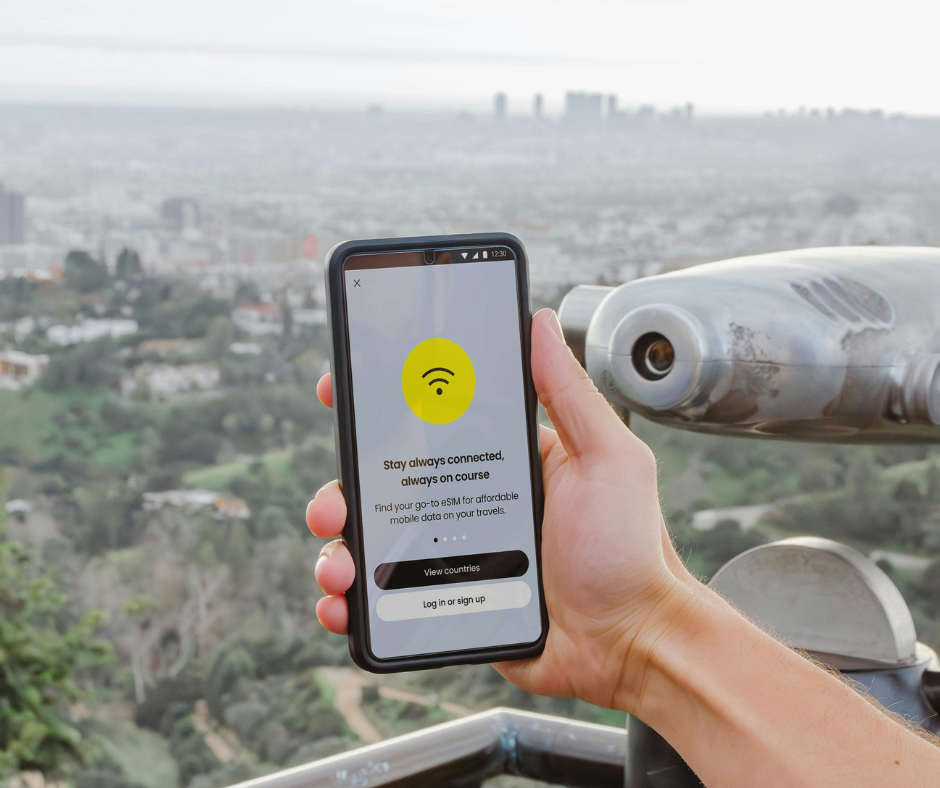
Instead of swapping SIM cards, users simply download a cellular plan by scanning a QR code or using an app. The eSIM then connects the device to a mobile network just like a physical SIM would.
Key Characteristics of eSIM
- Embedded inside the device (no physical card)
- Can store multiple mobile plans
- Allows remote activation and switching
- Works alongside physical SIMs (dual SIM functionality)
Major smartphone manufacturers such as Apple, Samsung, and Google have embraced eSIM technology, and many newer devices now support it by default.
The Traditional Problem with International Connectivity
Before eSIM, travelers typically relied on one of the following options:
1. International Roaming
Using your home SIM abroad is convenient but often extremely expensive. Roaming charges can accumulate quickly, leading to unexpected bills running into hundreds or even thousands of dollars.
2. Local SIM Cards
Buying a local SIM card at the airport or a mobile store is cheaper, but it comes with challenges:
- Language barriers
- Time spent finding a store
- Need to provide identification in some countries
- Risk of losing your home SIM card
- Incompatibility with locked phones
3. Pocket Wi-Fi Devices
Portable Wi-Fi routers offer shared connectivity but require:
- Carrying and charging another device
- Rental fees and deposits
- Returning the device after travel
4. Public Wi-Fi
Public Wi-Fi is unreliable and often insecure, exposing travelers to data theft, hacking, and privacy risks.
These limitations created a strong need for a simpler, safer, and more flexible solution—and that solution is eSIM.
How eSIM Works for International Travel
Using an eSIM for international travel is straightforward:
- Check Device Compatibility
Ensure your phone or device supports eSIM and is carrier-unlocked. - Choose an eSIM Provider
Many providers offer international or regional data plans covering multiple countries. - Purchase a Plan Online
Plans can be bought before departure or even while traveling. - Install the eSIM
Typically done by scanning a QR code or installing via an app. - Activate and Connect
Once activated, your device automatically connects to a supported local network.
The entire process can take less than five minutes, with no physical SIM swapping required.
Why eSIM Is Ideal for International Travelers
1. Convenience and Speed
One of the biggest advantages of eSIM is convenience. Travelers can set up mobile data before boarding a flight, ensuring connectivity the moment they land. There is no need to hunt for SIM kiosks or wait in long airport queues.
For frequent travelers visiting multiple countries, switching networks digitally is far faster than purchasing new SIM cards in each destination.
2. Cost Savings Compared to Roaming
International roaming fees are notoriously expensive. eSIM plans are typically much cheaper, offering transparent pricing and prepaid data bundles.
Travelers know exactly how much they are paying upfront, avoiding bill shock when they return home.
3. Multiple Countries, One Plan
Many eSIM providers offer:
- Regional plans (e.g., Europe, Asia, Africa)
- Global plans covering dozens or even hundreds of countries
This is particularly valuable for multi-country trips, backpackers, and business travelers hopping between destinations.
4. Dual SIM Flexibility
Most eSIM-enabled phones support dual SIM functionality, meaning you can:
- Keep your home SIM active for calls and SMS
- Use the eSIM for data abroad
This allows travelers to receive bank OTPs, airline notifications, and important messages while still enjoying affordable international data.
5. Enhanced Security
Using an eSIM reduces reliance on public Wi-Fi, which is often unsecured. Mobile networks are generally safer, lowering the risk of:
- Man-in-the-middle attacks
- Data interception
- Identity theft
Additionally, because there is no physical SIM card, it cannot be lost or stolen.
6. Perfect for Digital Nomads and Remote Workers
Digital nomads need consistent, reliable internet across borders. eSIM allows them to:
- Switch networks easily
- Maintain productivity
- Avoid long-term contracts
- Scale connectivity based on usage
For remote professionals, eSIM is often a better alternative to local SIM juggling.
Devices That Support eSIM
eSIM compatibility has expanded rapidly. Common supported devices include:
Smartphones
- iPhone XS and newer
- Samsung Galaxy S20 and newer
- Google Pixel 3 and newer
- Select models from Huawei, Xiaomi, and Oppo
Tablets and Laptops
- iPad Pro, iPad Air (cellular models)
- Microsoft Surface devices
- Some Windows and Chromebook laptops
Wearables
- Apple Watch (cellular models)
- Samsung Galaxy Watch
Before traveling, it is essential to confirm both eSIM support and carrier unlock status.
Types of eSIM Plans for Travelers
1. Data-Only Plans
Most travel eSIMs provide mobile data without voice or SMS. These plans are ideal for:
- Navigation
- Messaging apps (WhatsApp, Telegram)
- Email and browsing
- Video calls
2. Country-Specific Plans
Designed for travelers visiting a single destination, these plans usually offer:
- Lower cost
- Higher data allowances
- Strong local network coverage
3. Regional Plans
Cover multiple countries within a region, such as:
- Europe
- Southeast Asia
- Middle East
- North America
4. Global Plans
Best for frequent travelers, these plans work across many continents but may cost more per GB.
Limitations and Challenges of eSIM
Despite its advantages, eSIM is not without limitations.
1. Device Compatibility Issues
Older devices do not support eSIM. Budget phones may also lack this feature.
2. Data-Only Restrictions
Most travel eSIMs do not provide local phone numbers, which can be inconvenient for:
- Local ride-hailing services
- Restaurant reservations
- Customer support calls
3. Network Performance Variability
eSIM providers rely on partner networks. In some regions, coverage or speed may vary compared to local SIMs.
4. Setup Requires Internet
Initial installation requires an internet connection, so travelers should install their eSIM before departure.
eSIM vs Local SIM: Which Is Better?
| Feature | eSIM | Local SIM |
|---|---|---|
| Setup | Digital, instant | Physical purchase |
| Convenience | Very high | Medium |
| Cost | Competitive | Often cheapest |
| Risk of loss | None | High |
| Multiple countries | Easy | Difficult |
| Language barriers | None | Possible |
For short trips, multi-country travel, or convenience-focused travelers, eSIM is usually the better option. For long stays in one country, a local SIM may still be more economical.
How to Choose the Right eSIM for International Travel
When selecting an eSIM plan, travelers should consider:
- Destination coverage
- Data allowance
- Validity period
- Network partners
- Customer support availability
- Refund or top-up options
Reading reviews and checking supported networks can help ensure a smooth experience.
Best Practices for Using eSIM While Traveling
- Install and test the eSIM before leaving home
- Disable data roaming on your primary SIM
- Monitor data usage regularly
- Keep a backup Wi-Fi option if traveling to remote areas
- Save the eSIM QR code securely in case reinstallation is needed
The Future of eSIM in International Travel
The adoption of eSIM is accelerating. Many newer smartphones are moving toward eSIM-only designs, signaling the eventual phase-out of physical SIM cards.
In the future, travelers can expect:
- More affordable global data plans
- Seamless switching between networks
- Integration with airline, hotel, and travel apps
- Improved coverage in developing regions
As connectivity becomes a basic travel necessity rather than a luxury, eSIM is positioned to become the standard solution for international mobile data.
Conclusion
eSIM technology represents a major leap forward in how travelers stay connected abroad. By eliminating physical SIM cards, reducing roaming costs, and offering unparalleled flexibility, eSIM simplifies international travel in a way that was unimaginable just a few years ago.
For modern travelers who value convenience, security, and affordability, eSIM is no longer just an alternative—it is rapidly becoming the preferred choice. Whether you are navigating a new city, working remotely from another continent, or simply sharing your journey online, eSIM ensures that staying connected is the least of your worries.